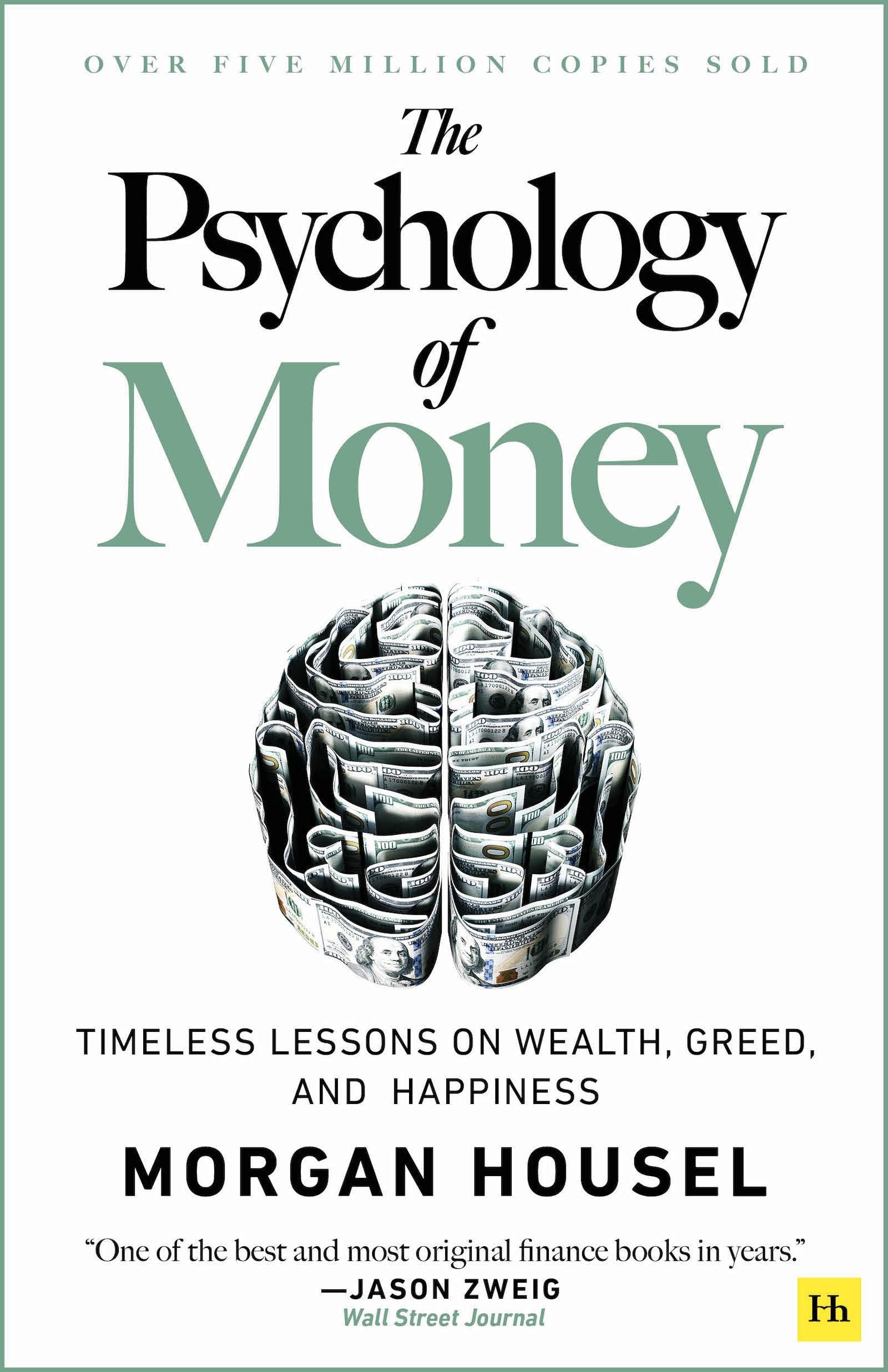
Book cover of The Psychology of Money

The Psychology of Money

Economics & Money

By Morgan Housel

About This Summary

This summary on Spickor gives you the essential ideas from "The Psychology of Money" in a concise, easy-to-digest format. Instead of spending hours reading the full book, you can quickly understand the main concepts and decide if the original work is right for you.

Morgan Housel's insights are broken down chapter by chapter, so you can follow the author's argument step by step. Listen in the app or read at your own pace — Spickor is designed to fit into your routine.

What You'll Learn

  • Understand the core principles and main ideas behind "The Psychology of Money"
  • Learn how to apply the key strategies covered in this book to your daily life
  • Discover the author's background and what inspired them to write this work
  • Get a structured overview through 10 clearly organized chapters

Total audio duration: 0h 9m

Summary

The Psychology of Money by Morgan Housel is a captivating exploration of the psychological factors that influence our financial behaviors. In a world where financial advice often focuses solely on numbers and strategies, Housel brings to light the human element in money management. He shares a collection of engaging stories that illustrate how our upbringing, social environment, and personal beliefs impact the way we earn, save, and invest. Whether it's the allure of get - rich - quick schemes or the fear of missing out, Housel dissects these common emotions and shows how they can either lead us to financial ruin or success. By understanding the psychology behind money, readers can make more informed decisions, build better financial habits, and achieve long - term financial well - being. This book is not just for finance experts but for anyone who wants to gain a deeper understanding of their own financial mindset and take control of their financial future.

About the Author

Morgan Housel is a partner at The Collaborative Fund. He is a two-time winner of the Best in Business Award from the Society of American Business Editors and Writers, winner of the New York Times Sidney Award, and a two-time finalist for the Gerald Loeb Award for Distinguished Business and Financial Journalism. He lives in Seattle with his wife and two kids.

Chapters

1

Introduction

2

The Role of Luck and Risk

3

The Power of Compounding

4

Saving and Frugality

5

The Influence of Social Comparison

6

The Importance of Long - Term Thinking

7

The Impact of Emotions on Financial Decisions

8

The Value of Flexibility and Adaptability

9

The Role of Storytelling in Finance

10

Conclusion

Explore other titles in Economics & Money to continue learning