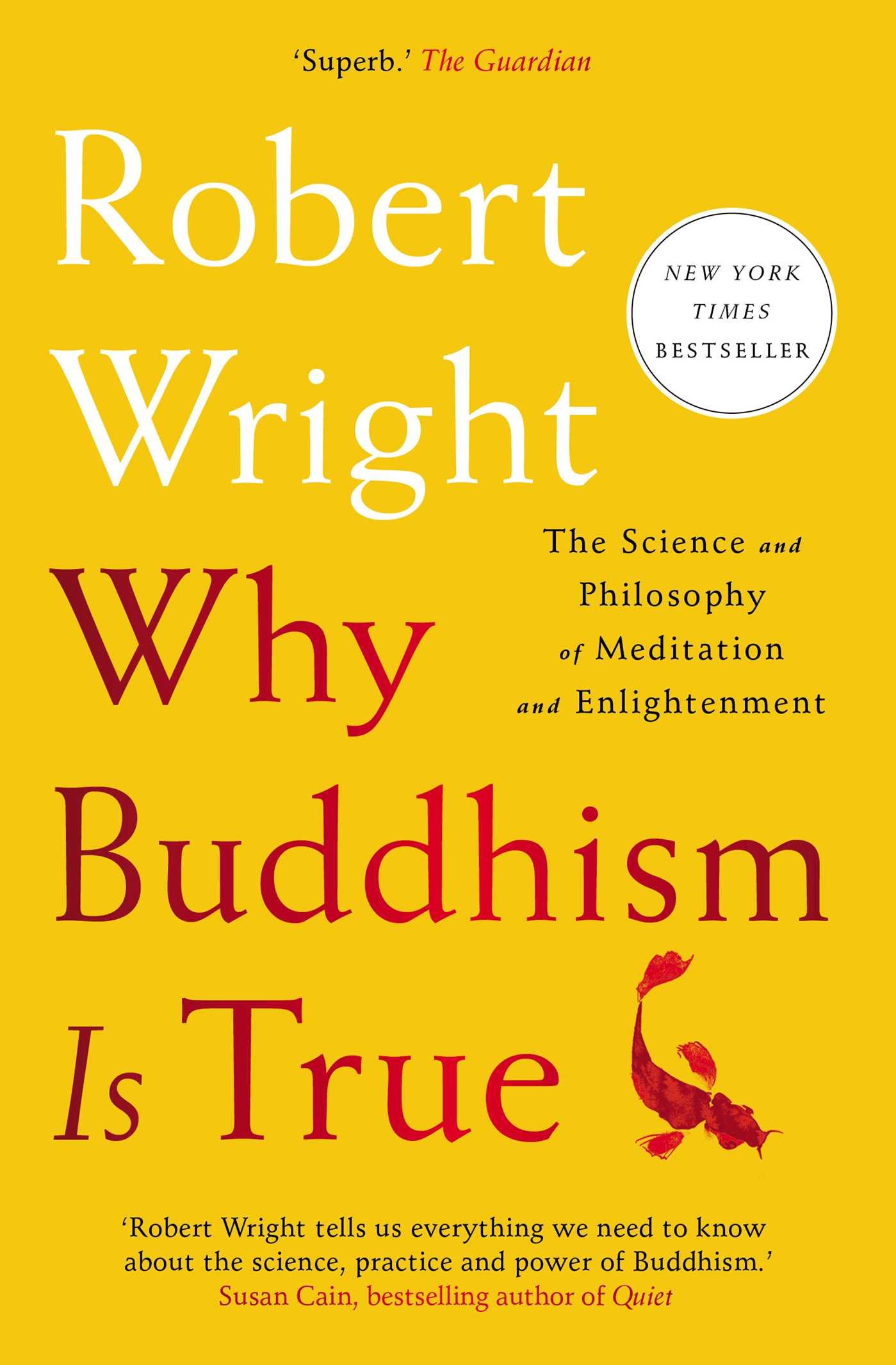
This summary on Spickor gives you the essential ideas from "Why Buddhism is True" in a concise, easy-to-digest format. Instead of spending hours reading the full book, you can quickly understand the main concepts and decide if the original work is right for you.
Robert Wright's insights are broken down chapter by chapter, so you can follow the author's argument step by step. Listen in the app or read at your own pace — Spickor is designed to fit into your routine.
What You'll Learn
Understand the core principles and main ideas behind "Why Buddhism is True"
Learn how to apply the key strategies covered in this book to your daily life
Discover the author's background and what inspired them to write this work
Get a structured overview through 10 clearly organized chapters
Total audio duration: 0h 9m
Summary
"Why Buddhism is True" by Robert Wright is a thought - provoking exploration that bridges the gap between ancient Buddhist wisdom and modern scientific understanding. Wright, a well - known science writer, takes readers on a journey to understand the core tenets of Buddhism. He examines concepts like mindfulness, suffering, and the nature of the self, all through the lens of evolutionary psychology. By drawing on scientific studies, he shows how these Buddhist ideas are not just spiritual musings but have real - world implications for our mental health and happiness. For example, he explains how the practice of mindfulness can help us break free from the cycle of craving and negative emotions. The book is filled with engaging anecdotes and accessible explanations, making it a fascinating read for those interested in exploring the intersection of spirituality and science. It challenges us to rethink our assumptions about the mind and the world around us, and to consider the potential benefits of incorporating Buddhist practices into our daily lives.
About the Author
Robert Wright is a well - known American author. He specializes in science - related and philosophical writing. In "Why Buddhism is True", his style combines scientific research with philosophical insights, presenting complex ideas clearly.
Chapters
1
Introduction: The Relevance of Buddhism in Modern Life