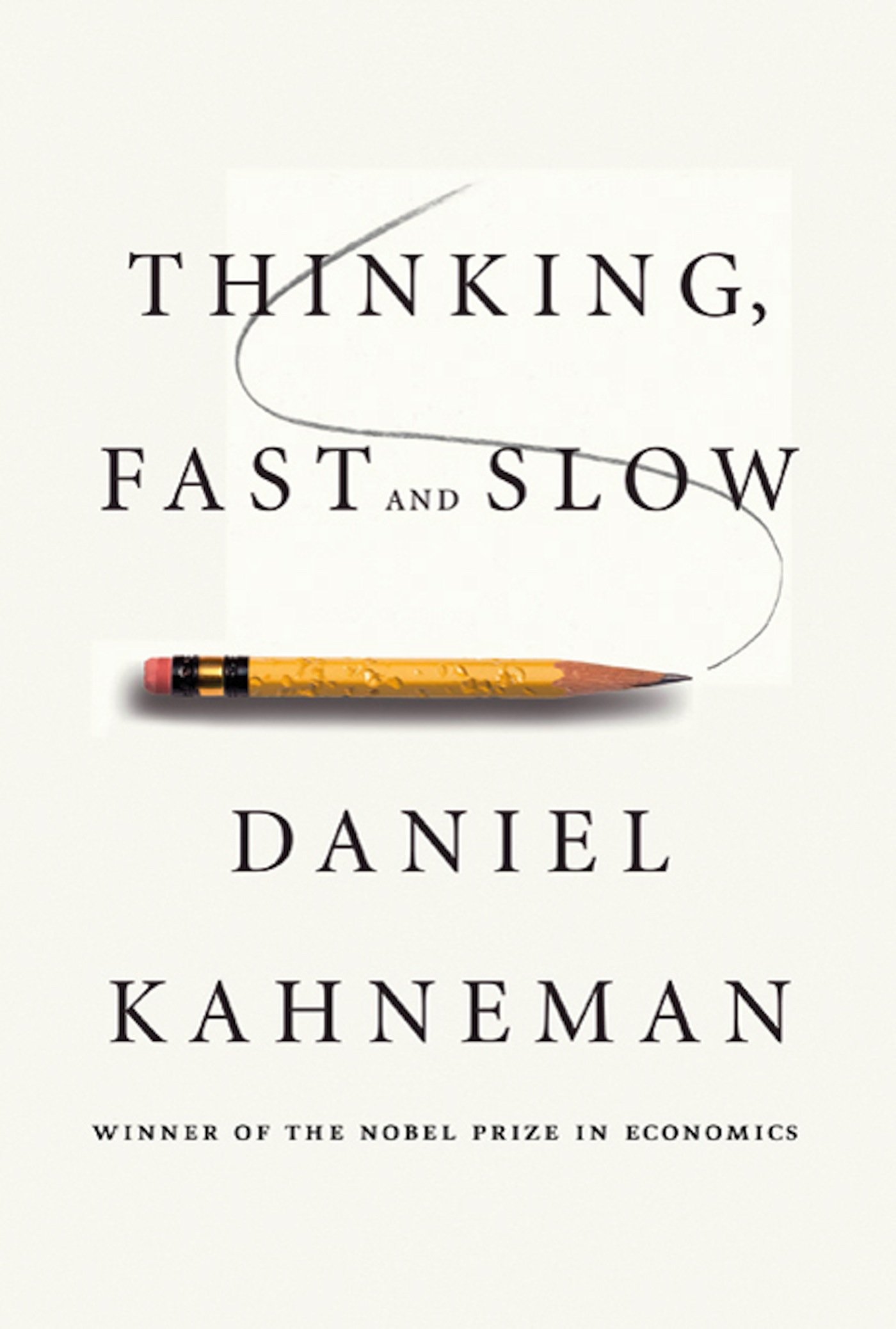
Introduction to Dual-Process Thinking
In "Thinking: Fast and Slow," we are introduced to the concept of dual-process thinking. There are two systems at work in our minds. System 1 is fast, intuitive, and automatic. It operates effortlessly and quickly, making snap judgments and associations. For example, when you see a dog running towards you, your immediate feeling of whether it's friendly or not is a result of System 1. It relies on heuristics, which are mental shortcuts that help us make rapid decisions.System 2, on the other hand, is slow, deliberate, and effortful. It is used for complex problem-solving, logical reasoning, and concentration. When you're calculating a difficult math problem, you are engaging System 2. System 2 requires more energy and attention, and we tend to avoid using it when possible because it's tiring.The balance between these two systems is crucial. System 1 is great for day-to-day situations where quick responses are needed, but it can also lead to biases and errors. System 2 can correct these mistakes, but it may not always be activated when it should be. Understanding these two systems is the foundation for grasping how our minds work and how we make decisions.