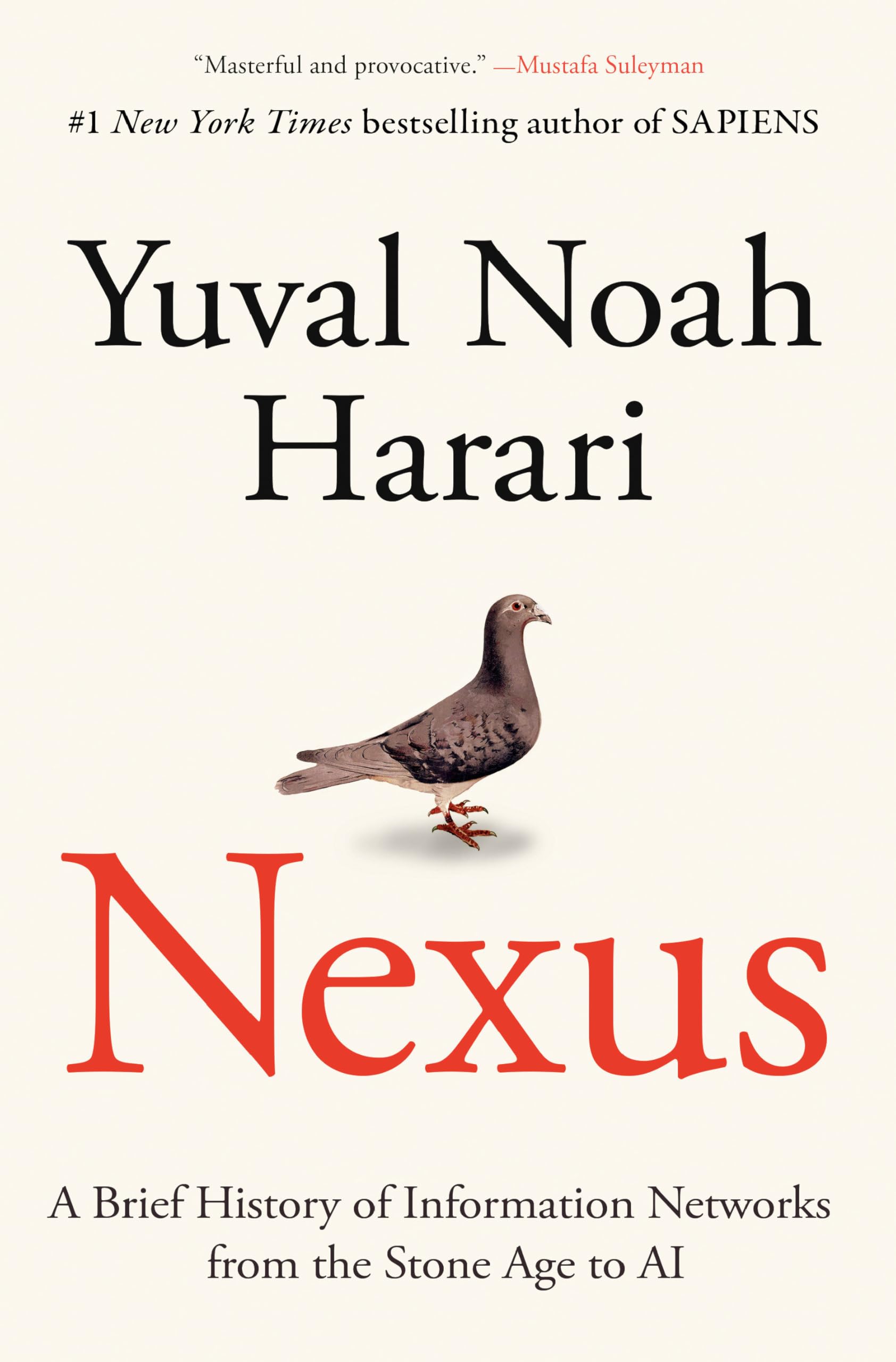
This summary on Spickor gives you the essential ideas from "Nexus" in a concise, easy-to-digest format. Instead of spending hours reading the full book, you can quickly understand the main concepts and decide if the original work is right for you.
Yuval Noah Harari's insights are broken down chapter by chapter, so you can follow the author's argument step by step. Listen in the app or read at your own pace — Spickor is designed to fit into your routine.
What You'll Learn
Understand the core principles and main ideas behind "Nexus"
Learn how to apply the key strategies covered in this book to your daily life
Discover the author's background and what inspired them to write this work
Get a structured overview through 10 clearly organized chapters
Total audio duration: 0h 11m
Summary
Nexus, written by the renowned author Yuval Noah Harari, is a remarkable exploration of the intricate tapestry of human connections. Harari, celebrated for his previous works that have reshaped our understanding of history and the future, once again brings his unique insights to the table. In this book, he delves deep into the complex relationships between individuals, societies, and the technological advancements that bind them. Through engaging storytelling and well - researched analysis, Harari shows how the modern world is a vast network of connections, both physical and virtual. He examines how these connections influence our daily lives, from the way we communicate to the decisions we make. Whether it's the impact of social media on our relationships or the role of technology in shaping global economies, Harari offers a fresh and thought - provoking perspective. Nexus is not just a book about the present; it also hints at the future, encouraging readers to think about how these connections will continue to evolve. It's a must - read for anyone interested in understanding the complex dynamics of the modern world.
About the Author
Yuval Noah Harari is a renowned Israeli historian. He specializes in writing about history, science, and the future. His style is characterized by in - depth analysis and thought - provoking insights, as seen in his work "Nexus".