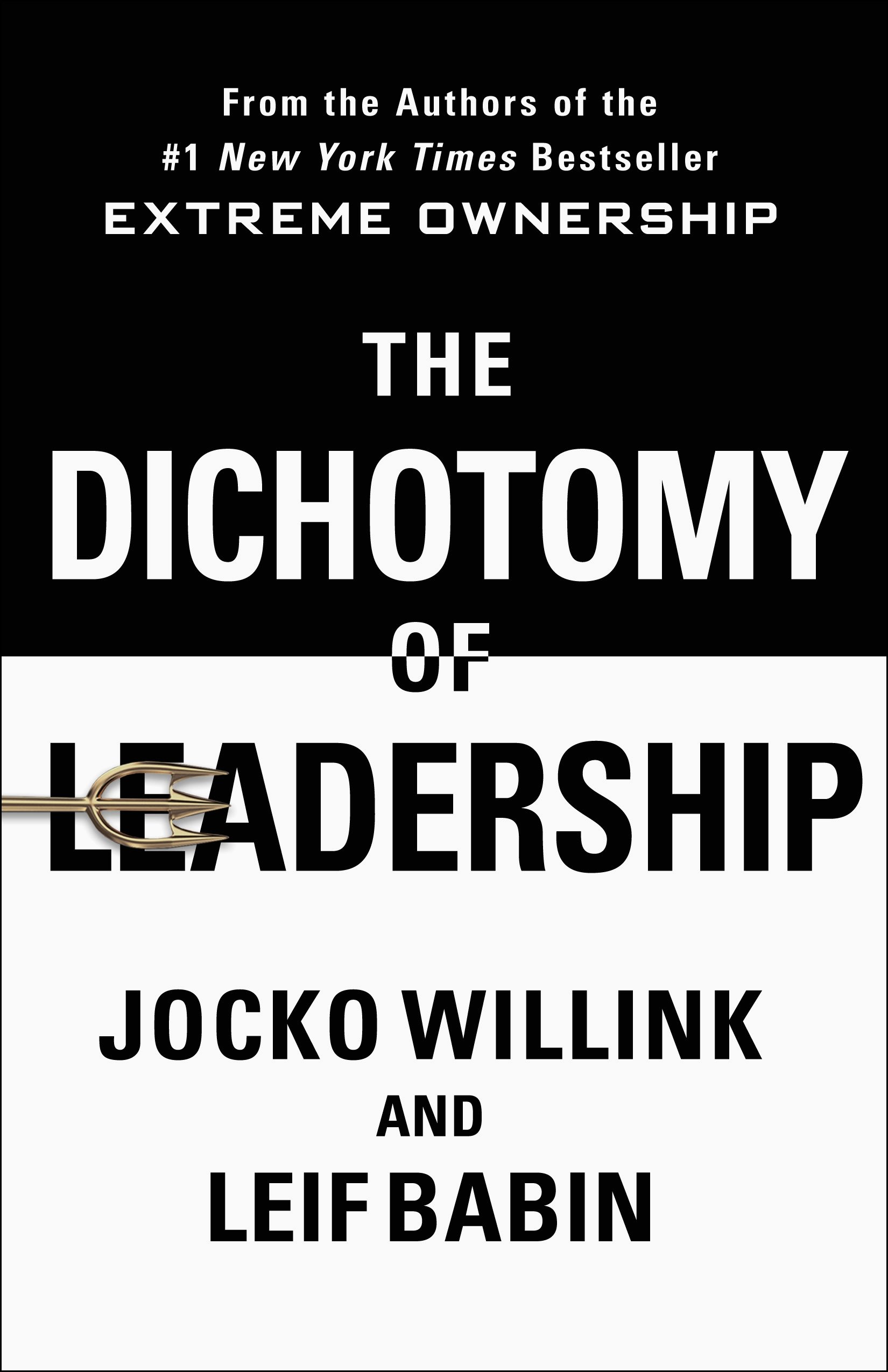
This summary on Spickor gives you the essential ideas from "The Dichotomy of Leadership" in a concise, easy-to-digest format. Instead of spending hours reading the full book, you can quickly understand the main concepts and decide if the original work is right for you.
Jocko Willink & Leif Babin's insights are broken down chapter by chapter, so you can follow the author's argument step by step. Listen in the app or read at your own pace — Spickor is designed to fit into your routine.
What You'll Learn
Understand the core principles and main ideas behind "The Dichotomy of Leadership"
Learn how to apply the key strategies covered in this book to your daily life
Discover the author's background and what inspired them to write this work
Get a structured overview through 10 clearly organized chapters
Total audio duration: 0h 7m
Summary
In "The Dichotomy of Leadership", authors Jocko Willink and Leif Babin, with their rich military leadership experience, present a profound exploration of leadership. The core idea of the book is that leadership is not a straightforward concept but a delicate balance between two opposing forces. For instance, a leader must be both aggressive in taking action and cautious in decision - making. In the military, they've seen firsthand how the wrong balance can lead to failure. The authors use numerous vivid anecdotes from their time in the military to illustrate these dichotomies. However, the lessons aren't just for military personnel. In the business world, a manager can apply these principles to lead teams more effectively, making tough decisions while also being empathetic to employees. In personal life, one can use these concepts to lead a more purposeful and balanced life. By understanding and mastering these dichotomies, readers will gain a new perspective on leadership and how to become better leaders in various aspects of life.
About the Author
Jocko Willink and Leif Babin are former Navy SEALs. They write in the leadership and military strategy field. Their style is practical and straightforward, as shown in "The Dichotomy of Leadership".